
Introduction:
A small clothing brand owner once sketched a logo on a piece of paper, hoping to turn it into something customers could wear proudly. That simple idea soon became a beautifully crafted embroidered patch stitched onto jackets—and surprisingly, it became the brand’s signature identity.
This is how powerful custom patch manufacturing can be. It takes an idea, a logo, or a message and transforms it into something tangible, durable, and visually striking.
If you’ve ever wondered how patches are made or how to create your own, this guide will walk you through everything you need to know about custom patch manufacturing—in a clear, practical, and engaging way.
What Is Custom Patch Manufacturing?
Custom patch manufacturing is the process of designing, producing, and finishing patches tailored to specific needs. These patches can be used for:
- Branding and logos
- Fashion and accessories
- Uniforms and workwear
- Clubs, teams, and organizations
From design to final delivery, the process involves multiple steps that ensure quality, durability, and visual appeal.
Types of Custom Patches You Should Know
Before diving into the manufacturing process, it’s important to understand the different patch types available.
Embroidered Patches
The most popular type, known for their textured and classic look. Ideal for bold logos and simple designs.
Woven Patches
Perfect for intricate details and small text. They offer a smoother finish than embroidery.
Printed Patches
Best for complex designs, gradients, and photo-like images.
PVC Patches
Durable, flexible, and waterproof—commonly used for outdoor or tactical gear.
Leather Patches
Premium and stylish, often used in fashion and luxury branding.
Custom Patch Manufacturing Process (Step-by-Step)
Understanding the process helps you make better decisions and avoid costly mistakes.
Step 1: Design Creation
Everything starts with your idea.
You provide:
- Logo or artwork
- Preferred colors
- Size and shape
Professional designers may refine your design to ensure it works well as a patch.
Step 2: Digitization
For embroidered patches, your design is converted into a digital stitch file.
This step determines:
- Stitch type
- Thread direction
- Texture and detail
Step 3: Material Selection
Choosing the right materials is crucial for durability and appearance.
Common options include:
- Twill fabric (most common base)
- Felt or velvet (premium look)
- PVC or leather (specialized patches)
Step 4: Production
This is where the actual manufacturing happens.
Depending on the patch type:
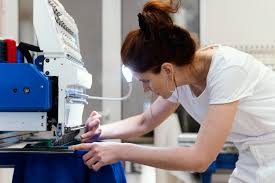
- Embroidery machines stitch the design
- Printing machines apply designs to fabric
- Molding processes create PVC patches
Step 5: Cutting and Shaping
Patches are cut into their final shape using:
- Laser cutting
- Die cutting
- Merrowed (stitched) borders
Step 6: Backing Attachment
Different backing options are added based on usage:
- Sew-on (most durable)
- Iron-on (easy application)
- Velcro (removable)
- Adhesive (temporary use)
Step 7: Quality Check and Delivery
Each patch is inspected for:
- Color accuracy
- Stitch quality
- Finishing
Once approved, they are packaged and shipped.
Custom Patches vs Other Branding Methods
| Feature | Custom Patches | Screen Printing | Embroidery (Direct) |
|---|---|---|---|
| Durability | High | Medium | High |
| Flexibility | Removable | Permanent | Permanent |
| Detail | High | Very High | Moderate |
| Cost | Moderate | Low (bulk) | Higher |
| Style | Premium, textured | Flat | Classic |
Custom patches offer a unique blend of flexibility and premium appeal that other methods often lack.
Factors That Affect Custom Patch Manufacturing Cost
Pricing can vary depending on several factors:
- Patch size and shape
- Design complexity
- Number of colors
- Type of patch (embroidered, PVC, etc.)
- Order quantity
- Backing type
Ordering in bulk usually reduces the cost per patch.
Tips for High-Quality Custom Patch Manufacturing
To get the best results, keep these practical tips in mind:
- Keep your design clean and readable
- Choose colors that contrast well
- Avoid very small text in embroidered patches
- Select the right patch type for your purpose
- Work with experienced manufacturers
A well-made patch not only looks good but also lasts longer and represents your brand better.
Common Mistakes to Avoid
Even great ideas can go wrong without proper planning.
Avoid these mistakes:
- Overcomplicating the design
- Choosing the wrong patch type
- Ignoring material quality
- Not reviewing samples before bulk production
- Prioritizing cost over quality
Industries That Rely on Custom Patch Manufacturing
Custom patches are widely used across industries:
- Fashion brands – For style and branding
- Corporate companies – Uniform identity
- Military and security – Identification
- Sports teams – Logos and achievements
- Events and merchandise – Memorability
Conclusion: Bringing Your Ideas to Life
Custom patch manufacturing is more than just a production process—it’s a creative journey. From a simple idea to a finished product, every step plays a role in shaping something meaningful and impactful.
Whether you’re building a brand, designing merchandise, or creating something personal, custom patches offer a powerful way to express identity and stand out.
Because sometimes, the smallest pieces—stitched with care—leave the strongest impressions.