
Introduction
Imagine you’re walking into a café and you notice two employees wearing the same uniform—but one has a small, beautifully designed patch on the sleeve. Instantly, it grabs your attention. It tells a story. It adds personality.
That’s the power of custom patches.
From fashion to branding, patches have evolved far beyond simple fabric badges. Today, they are used by businesses, brands, designers, and even individuals to express identity, creativity, and professionalism.
In this guide, you’ll discover the different types of custom patches and creative ways to use them—whether you’re building a brand, upgrading uniforms, or just adding style to your outfits.
What Are Custom Patches?
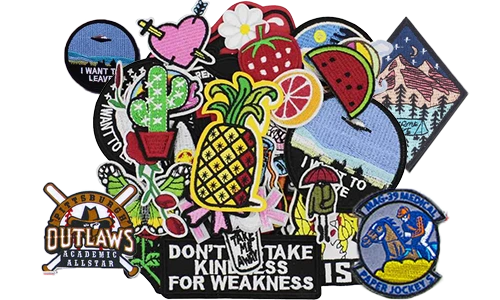
Custom patches are small pieces of fabric or material designed with logos, text, or artwork. They can be attached to clothing, bags, or accessories using stitching, heat press, Velcro, or adhesive backing.
They are widely used in:
- Fashion industry
- Corporate branding
- Sports teams
- Military and uniforms
- Events and promotions
Types of Custom Patches
1. Embroidered Patches
These are the most traditional and popular patches.
Features:
- Thread-based design
- Textured and classic look
- Durable and long-lasting
Best for:
- Company logos
- School uniforms
- Jackets and caps
2. Woven Patches
Woven patches use thinner threads, allowing for more detailed designs.
Features:
- Smooth finish
- High-detail artwork
- Lightweight
Best for:
- Small text designs
- Intricate logos
- Fashion labels
3. PVC Patches
Made from soft rubber material, these patches are modern and highly durable.
Features:
- Waterproof and flexible
- 3D appearance
- Weather-resistant
Best for:
- Outdoor gear
- Military use
- Sports accessories
4. Leather Patches
These patches offer a premium and stylish look.
Features:
- High-end appearance
- Long-lasting material
- Can be engraved or embossed
Best for:
- Denim brands
- Luxury fashion
- Hats and bags
5. Chenille Patches
These are fluffy, textured patches often seen on varsity jackets.
Features:
- Soft and fuzzy texture
- Bold and eye-catching
- Retro style
Best for:
- Letterman jackets
- School apparel
- Sports teams
6. Printed Patches
Instead of threads, designs are printed directly onto the fabric.
Features:
- Unlimited color options
- Photo-quality designs
- Smooth surface
Best for:
- Complex images
- Artistic designs
- Promotional items
Comparison Table of Patch Types
| Patch Type | Texture | Durability | Detail Level | Best Use |
|---|---|---|---|---|
| Embroidered | Raised Thread | High | Medium | Uniforms, logos |
| Woven | Smooth | Medium | High | Detailed designs |
| PVC | Rubber | Very High | Medium | Outdoor & sports |
| Leather | Premium | High | Low-Medium | Fashion & branding |
| Chenille | Fuzzy | Medium | Low | Jackets & sports |
| Printed | Flat | Medium | Very High | Complex artwork |
Creative Ways to Use Custom Patches
1. Branding for Businesses
Custom patches are a powerful branding tool.
Example:
A small coffee shop adds logo patches to staff uniforms. Customers start recognizing the brand instantly.
Ideas:
- Employee uniforms
- Promotional giveaways
- Corporate merchandise
2. Fashion and Streetwear
Patches are a huge trend in fashion.
Creative uses:
- Denim jackets with multiple patches
- Customized jeans
- Caps and hoodies
You can turn a simple outfit into something unique and stylish.
3. Event Marketing and Giveaways
Patches make memorable souvenirs.
Use them for:
- Concerts
- Festivals
- Corporate events
People are more likely to keep a patch than a flyer—making it a long-term marketing tool.
4. Personal Expression
Want to show your personality? Patches can do that.
Examples:
- Favorite quotes
- Hobbies (gaming, travel, music)
- Custom artwork
It’s like wearing your story.
5. Team Identity and Unity
Sports teams and organizations use patches to create unity.
Applications:
- Team logos on jerseys
- Achievement badges
- Club identification
It builds pride and belonging.
6. Repair and Upcycling
Instead of throwing away damaged clothes, patches can fix and upgrade them.
Example:
A torn jean becomes trendy with a creative patch.
Benefits:
- Saves money
- Eco-friendly
- Adds style
Step-by-Step Guide: How to Use Custom Patches
Step 1: Choose the Right Patch Type
Select based on your need (fashion, branding, durability).
Step 2: Select Attachment Method
- Sew-on (permanent)
- Iron-on (easy)
- Velcro (removable)
- Adhesive (temporary)
Step 3: Placement Matters
Think about visibility and style:
- Sleeves
- Chest
- Back
- Hats or bags
Step 4: Apply the Patch
Follow proper instructions (heat, stitching, or sticking).
Step 5: Maintain It
Wash carefully to keep the patch looking new.
Practical Tips for Better Results
- Keep designs simple for better visibility
- Choose high-quality materials for durability
- Match patch style with your purpose
- Avoid overcrowding too many patches in one area
- Test placement before final attachment
Conclusion
Custom patches are more than just decorative pieces—they are a blend of creativity, branding, and personal expression.
Whether you’re a business owner trying to build brand identity, a fashion enthusiast upgrading your wardrobe, or someone looking to add personality to everyday items, custom patches offer endless possibilities.
Start small. Experiment with styles. Tell your story—one patch at a time.